WiFi keeps disconnecting

IbChristian

Member
Joined
Feb 26, 2026
Messages
90
Reaction score
21
Credits
814
Ahh, the fun never stops...

I'm having trouble with my WiFi on my desktop PC when using Linux. It connects fine upon boot up, but after a couple minutes it disconnects. It tries to reconnect but fails every time. If I reboot it will reconnect upon startup, but again only lasts a few minutes.

1. It's not a hardware problem, as when I boot to Windows 7 (I have two hard drives on the same machine) everything works fine.
2. It shouldn't have anything to do with my service or the router, as I'm using them to post this (on my laptop), and all our TV and phone streaming services work fine.
3. The copy of Linux I have on my desktop is exactly the same as on my laptop, and I mean exactly; both were installed using the same USB stick with the same iso file.

Now this may be an update problem, because when I installed Linux and updated, it spent hours downloading the over a hundred updates without disconnecting once (the .iso file is at least three months old). However the same updates have also been installed on my laptop, albeit not all at once, and as I pointed out earlier, it's fine.

Has anyone else encountered this? Can I fix it or do I need to completely reinstall Linux?

Thanks in advance


Ahh, the fun never stops...

I'm having trouble with my WiFi on my desktop PC when using Linux. It connects fine upon boot up, but after a couple minutes it disconnects. It tries to reconnect but fails every time. If I reboot it will reconnect upon startup, but again only lasts a few minutes.

1. It's not a hardware problem, as when I boot to Windows 7 (I have two hard drives on the same machine) everything works fine.
2. It shouldn't have anything to do with my service or the router, as I'm using them to post this (on my laptop), and all our TV and phone streaming services work fine.
3. The copy of Linux I have on my desktop is exactly the same as on my laptop, and I mean exactly; both were installed using the same USB stick with the same iso file.

Now this may be an update problem, because when I installed Linux and updated, it spent hours downloading the over a hundred updates without disconnecting once (the .iso file is at least three months old). However the same updates have also been installed on my laptop, albeit not all at once, and as I pointed out earlier, it's fine.

Has anyone else encountered this? Can I fix it or do I need to completely reinstall Linux?

Thanks in advance
what speed of internet are you getting? I have never had a updates take that long and even a full upgrade of 2.5GB is only about a 20 or 30 minute download. would also be helpful to know what wifi card you are using. It may just not be very compatible which would make it a hardware issue.
I also wonder how far your desktop is from the router in that maybe since it really does not need to be on wifi you can just plug it in and all problems are solved.
 
Please issue this command in a terminal and post the result back here.
Code:
inxi -Nn
 
If you're using the same Linix version, then two things can be different.
Hardware - the wi-fi chipset you are using.
Location - you are further/closer to the router.

What is output of

nmcli dev wifi list
 
what speed of internet are you getting? I have never had a updates take that long and even a full upgrade of 2.5GB is only about a 20 or 30 minute download. would also be helpful to know what wifi card you are using. It may just not be very compatible which would make it a hardware issue.
I also wonder how far your desktop is from the router in that maybe since it really does not need to be on wifi you can just plug it in and all problems are solved.
WiFi worked fine during the hour+ when I was downloading the updates. It didn't start acting up until after.
My PC is all of five feet from the router, so it's not that.
Just to be clear, the code is JUST
Code:
 inxi -Nn
nothing else?
 
WiFi worked fine during the hour+ when I was downloading the updates. It didn't start acting up until after.
My PC is all of five feet from the router, so it's not that.
Just to be clear, the code is JUST
Code:
 inxi -Nn
nothing else?
Yes that will tell us the wifi card and driver in use. please post the results.
 
OK, Im not sure what the exact item is that you are looking for, so here's everything it gave me:

Code:
Device-1: Ralink RT2561/RT61 802.11g
Driver: rt61pci
IF: wlpls5 state: up mac: 80:lf:02:00:02:04
Device-2: Realtek RTL8111/8168/8211 PCI Express Gigabit Ethernet
Driver: R8169
If: enp3s0 state: down mac: 30:85:a9:48:d6:65
Now whether the computer was still connected during that or had been dropped by then I don't know.

BTW, by "not a hardware problem" I meant it wasn't 'physically' broken; It's working, just not with Linux
 
Last edited:
ralink cards have been problematic on linux for quite some time. Did it work before you did the updates? If so I would try booting to the older kernel see if that solves the problem if it does use that kernel. It could be the kernel driver did not get updated in the newer kernel. You can boot to the older kernel by hold down the esc key or the right shiftkey as the machine starts to boot. you should then see a boot menu and select advanced and see if there is an older kernel to boot from.
 
Yes. I had just installed linux and It stayed connected for the entre time it was downloading the updates, between 1-2 hours. Does this mean I cannot update it? Ever??

Can a modem be swapped out, or is it a permanent part of the motherboard?
 
Last edited:
Yes. I had just installed linux and It stayed connected for the entre time it was downloading the updates, between 1-2 hours. Does this mean I cannot update it? Ever??

Can a modem be swapped out, or is it a permanent part of the motherboard?
on most machines the wifi card can be changed. but on some they are soldered in and can not easily be changed. I'm not sure about your model.
And no it does not mean it can not be upgraded just that you may have to stick with an older series of kernels.
Give us the model # and manufacturer name of the machine.
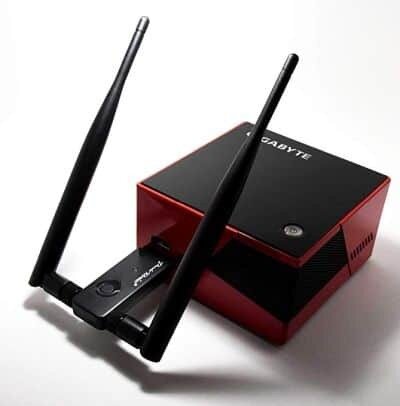
perhaps the easiest way to do it would be to get a usb wifi dongle and use that. Get one that is known to work with linux.
this page maybe of help in choosing should you decide to go that way.
Also on Mint it's easy to change kernel versions. My suggestion would be to click on the update manager icon go to view then kernels and install kernel 6.8 series it's a long term support kernel and will be supported until 2029. And should work with your card. But give it a try first. You are most likely on the 6.17 series now. which is only supported until Aug of this year I believe.
one great thing about linux is you have choices :)
 
Last edited:
on most machines the wifi card can be changed. but on some they are soldered in and can not easily be changed. I'm not sure about your model.
And no it does not mean it can not be upgraded just that you may have to stick with an older series of kernels.
Give us the model # and manufacturer name of the machine.
perhaps the easiest way to do it would be to get a usb wifi dongle and use that. Get one that is known to work with linux.
this page maybe of help in choosing should you decide to go that way.

Also on Mint it's easy to change kernel versions. My suggestion would be to click on the update manager icon go to view then kernels and install kernel 6.8 series it's a long term support kernel and will be supported until 2029. And should work with your card. But give it a try first. You are most likely on the 6.17 series now. which is only supported until Aug of this year I believe.
one great thing about linux is you have choices :)
Thanks. My PC is a franken-puter, mostly Asus; that's what flashes on the screen on boot-up. I don't know which model. As I said, it's a mish mass that's been slowly evolving since 1998(ish). I'll ask my computer guy, he put in the second HD, so he should know.

Coukd you recommend a brand/model that works good with both Mint and Windows 7?
 
ralink cards have been problematic on linux for quite some time.

My take on this, is it "used" to be true. Since 6.19.x and later I have never had any problems.
Also this may be a distro specific thing? I run two diff distro's on my two ralink systems, and both
run wifi without any problems for over a year now.

I still prefer intel based wi-fi when possible, but mediaTek and RaLink work fine.
 
Thanks. My PC is a franken-puter, mostly Asus; that's what flashes on the screen on boot-up. I don't know which model. As I said, it's a mish mass that's been slowly evolving since 1998(ish). I'll ask my computer guy, he put in the second HD, so he should know.

Coukd you recommend a brand/model that works good with both Mint and Windows 7?
Recommend a wifi dongle any of the ones mention on the review page I posted should work. I have had good luck with the panda ones over the years. If you talking about an internal card the I recommend Intel whenever possible that they just work with little fuss.
 
Current kernal was 6.17.0-35, so I'm installing ver. 7, which is what I currenyly have on my laptop. I'll let you know how it goes
 
Last edited:
Question: If I go the kernal route, will future upgrades undo the change, as it will be an older kernal? And what about malware vunerabilities? Linux is not completely invunerable...
No future updates will not change the kernel version. But you will have to uninstall the newer version say 6.17 then only 6.8 will be updated and only with security fixes and bug fixes. It's worth a try.


Follow Linux.org

Staff online

Members online


Latest posts

Top